


Introduction
Laser eye surgery has long been hailed as a life-changing solution for those with refractive errors like nearsightedness, farsightedness, and astigmatism. But as we move into 2026 and beyond, the field of laser eye surgery is rapidly evolving. Thanks to continuous innovation, the future of laser eye surgery promises to bring even more precise, personalised, and effective treatments that will transform how we see the world. This article delves into the cutting-edge advancements in LASIK and other laser eye surgeries, exploring how these innovations are shaping the future of vision correction.
The Latest Advancements in Laser Eye Surgery
Femtosecond Lasers: Precision Like Never Before
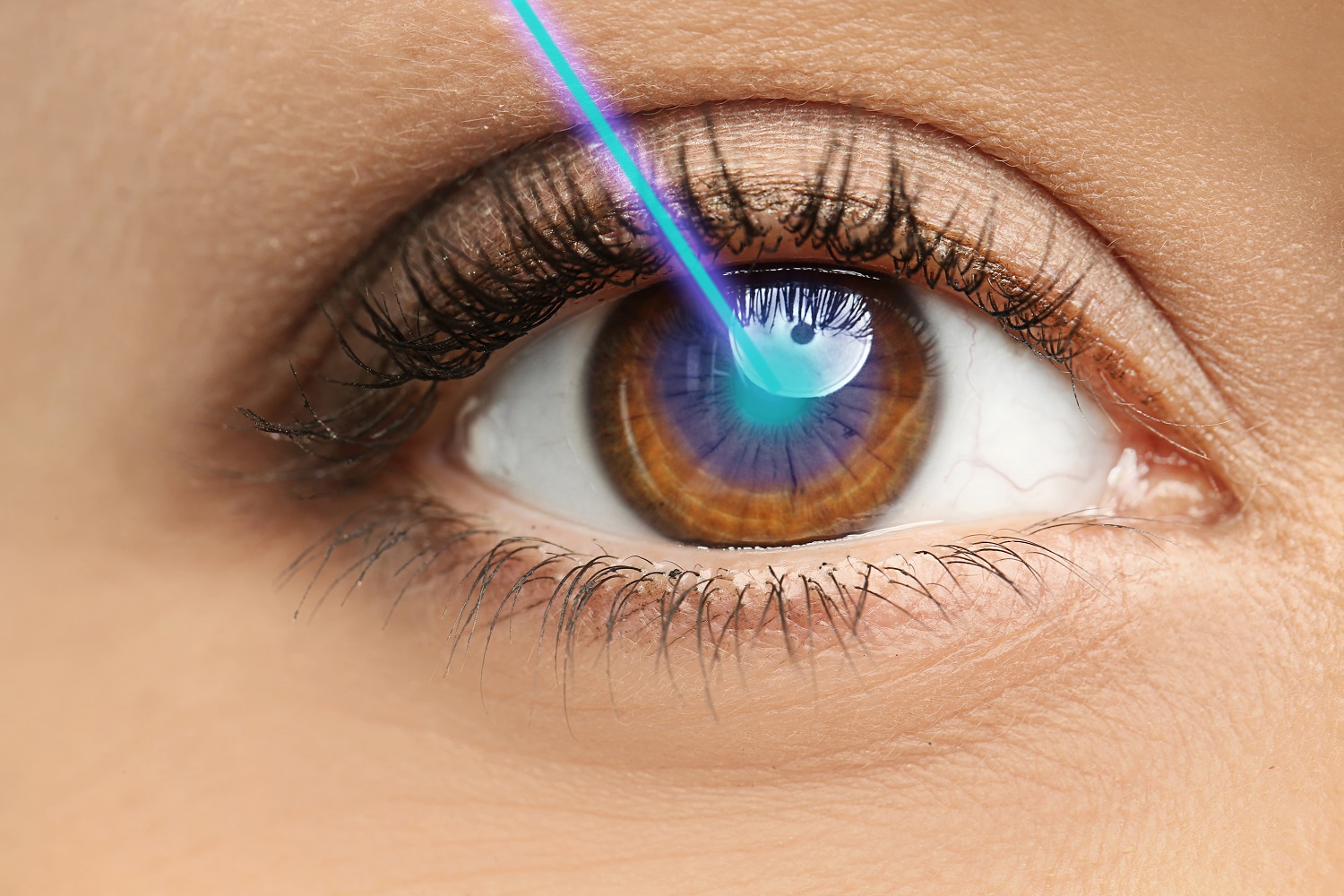
One of the most exciting innovations in laser eye surgery is the femtosecond laser. This tool has replaced the traditional microkeratome blade, enabling surgeons to create ultra-precise corneal flaps with fewer risks and a faster recovery. Unlike mechanical blades, the femtosecond laser uses a beam of light to precisely cut through the tissue at a microscopic level, providing much better accuracy and reducing the risk of complications.
Wavefront-Guided LASIK for Customised Vision Correction
Wavefront-guided LASIK technology is another major leap forward. This system creates a detailed map of your eye’s unique imperfections, correcting not only your refractive error but also small irregularities that could cause vision problems such as halos, glare, or poor night vision. In 2026, wavefront-guided LASIK is becoming even more advanced, offering greater precision and better outcomes, especially for people with complex vision needs.
SMILE: The Minimally Invasive Revolution
The SMILE (Small Incision Lenticule Extraction) procedure is a minimally invasive option that continues to grow in popularity. Unlike traditional LASIK, which requires a large corneal flap to be cut, SMILE involves a much smaller incision, reducing the risk of complications and speeding up recovery. It is especially suitable for people with thinner corneas or those who are more active, as the procedure preserves more corneal tissue and provides a more stable result.
How Innovations Are Improving Vision Outcomes
More Accurate Treatments for Complex Cases
Modern laser technology allows surgeons to offer customised treatment plans based on a patient’s unique eye characteristics. Wavefront technology, for example, ensures that patients with irregular corneas or other specific visual impairments can achieve better outcomes. This means that individuals who were once unsuitable candidates for LASIK due to complex vision problems can now enjoy clear, stable vision.
Reduced Side Effects and Faster Recovery
With the introduction of femtosecond lasers and other advanced technologies, LASIK surgery now comes with fewer side effects, such as glare, halos, or night vision problems. Recovery time has also significantly decreased. Patients often resume normal activities within 24 to 48 hours, compared to several days with older technologies. Furthermore, newer LASIK procedures are minimally invasive, resulting in less discomfort and faster healing.
Enhanced Precision for Long-Lasting Results
The precision offered by modern lasers ensures that corneal tissue is reshaped with unprecedented accuracy, leading to long-lasting results. LASIK procedures are now more effective than ever, reducing the likelihood of patients needing touch-up procedures. In fact, many patients report improved quality of life, experiencing better vision than they had with glasses or contacts, even in low-light conditions.
The Patient Journey: From Consultation to Clear Vision
The Initial Consultation
Before undergoing any type of laser eye surgery, patients must undergo a comprehensive eye examination. This includes tests like corneal topography and wavefront analysis to map the eye’s unique characteristics. This allows the surgeon to design a tailored treatment plan, ensuring the best possible results.
The Surgery
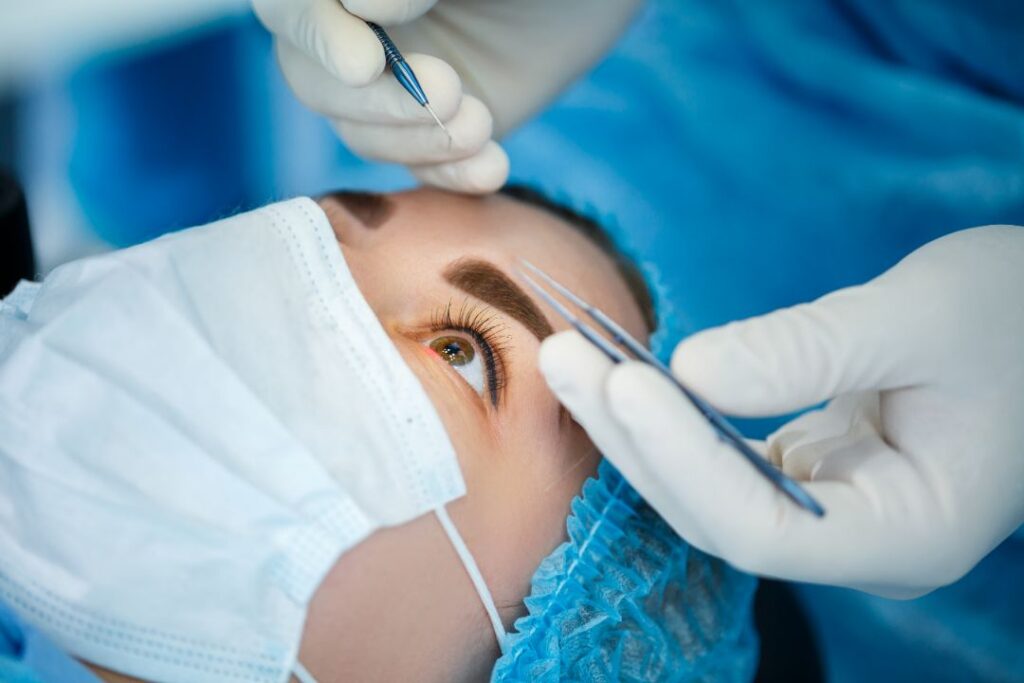
The surgery itself is quick and relatively painless. Most procedures take 15–30 minutes per eye, and patients are awake throughout. A numbing eye drop is applied before the procedure to ensure comfort. Surgeons use the advanced femtosecond laser or SMILE to create a precise corneal flap and then reshape the cornea using an excimer laser.
Post-Surgery Recovery
Recovery from laser eye surgery is generally fast, especially with newer techniques. In the first 24–48 hours, patients may experience some mild discomfort, including dryness, itching, or a gritty feeling in the eyes. Vision may be blurry initially but typically stabilises within a few days. Most people are able to return to work and normal activities within 1–2 days, though strenuous exercise and swimming should be avoided for the first few weeks.
Comparing LASIK and Other Modern Technologies
| Feature | Traditional LASIK | Modern LASIK (2026) |
|---|---|---|
| Flap Creation | Mechanical blade | Femtosecond laser |
| Visual Outcome | Standard correction | Enhanced precision with wavefront technology |
| Side Effects | Glare, halos, dryness | Reduced side effects and faster recovery |
| Recovery Time | 3–5 days | 24–48 hours |
| Surgical Method | More invasive | SMILE, wavefront-guided LASIK, femtosecond lasers |
These advancements in LASIK technology make the surgery safer, more comfortable, and more effective than ever before.
Benefits and Risks of Laser Eye Surgery
Benefits:
- Freedom from Glasses and Contact Lenses: LASIK surgery provides a permanent solution to refractive vision problems, eliminating the need for glasses or contacts.
- Improved Quality of Life: With clearer vision, patients enjoy an enhanced quality of life, including improved night vision, less dependence on corrective lenses, and greater convenience.
- Faster Recovery: Modern LASIK procedures have significantly reduced recovery times, allowing patients to return to normal activities quickly.
Risks:
- Temporary Dry Eyes: Dry eyes can occur after surgery, but this is usually temporary and can be managed with eye drops.
- Visual Fluctuations: Some patients experience fluctuations in vision as their eyes heal, but these typically resolve within a few weeks.
- Overcorrection or Undercorrection: In some cases, patients may require a touch-up procedure if the vision is not fully corrected after the initial surgery.
Conclusion: A Bright Future for Laser Eye Surgery
As we look towards 2026 and beyond, the future of laser eye surgery is brighter than ever. Thanks to innovations like femtosecond lasers, wavefront-guided LASIK, and SMILE, the potential for life-changing vision correction is becoming more precise, safer, and accessible. These advancements are improving patient outcomes, reducing side effects, and shortening recovery times, ensuring that laser eye surgery will continue to be a viable and effective solution for years to come. If you’re considering LASIK, the future of sight has never looked clearer.
FAQs
1. What is SMILE surgery, and how is it different from LASIK?
SMILE is a minimally invasive form of laser eye surgery that involves a small incision rather than a large flap. It removes a small lenticule of corneal tissue to correct vision. Unlike traditional LASIK, SMILE preserves more corneal tissue and offers a quicker recovery time, making it ideal for active patients.
2. How long does the recovery take after laser eye surgery?
Recovery from modern LASIK surgery is generally quick. Most patients notice significant improvement in vision within the first 24–48 hours. Full visual clarity typically occurs within a month, though minor fluctuations may still occur as the eyes heal. Patients can return to most activities within a few days.
3. Can I experience side effects after laser eye surgery?
While modern LASIK technologies have greatly reduced side effects, some patients may experience mild dryness, glare, or visual fluctuations, especially during the early stages of recovery. These side effects usually subside within a few weeks. Discussing potential risks with your surgeon ensures you are fully informed.
4. Is LASIK suitable for everyone?
LASIK is suitable for most people with stable prescriptions and healthy eyes. However, patients with certain conditions such as severe dry eyes, thin corneas, or other eye health problems may not be candidates. A thorough eye examination is required to determine if LASIK is the right solution for you.
5. What is the difference between traditional LASIK and modern LASIK?
Traditional LASIK uses a mechanical blade to create the corneal flap, while modern LASIK uses femtosecond lasers, which provide greater precision and accuracy. Newer technologies like wavefront-guided LASIK and SMILE offer even more customised treatments, leading to improved outcomes and faster recovery times.