
What Are Sleep Studies And Why Are They Important?
Sleep studies are diagnostic tests that monitor your body during sleep to identify disorders like obstructive sleep apnea, insomnia, and restless leg syndrome. These tests track brain activity, heart rate, blood oxygen levels, breathing patterns, and body movements to provide comprehensive data for accurate diagnosis.
The importance of sleep studies extends beyond simple diagnosis. Untreated sleep disorders can lead to serious health complications including:
- Cardiovascular disease and high blood pressure
- Type 2 diabetes
- Depression and anxiety
- Increased accident risk due to daytime fatigue
- Reduced quality of life and work performance
Many Brisbane residents delay getting tested due to concerns about Brisbane sleep study cost residents face. The uncertainty around pricing and whether Medicare will cover the expenses often prevents people from seeking necessary diagnosis and treatment.
This article addresses these financial concerns by explaining how much does a sleep study cost in Brisbane, what Medicare covers, and who qualifies for bulk-billed services. Understanding your coverage options removes the financial barrier to diagnosis, allowing you to prioritize your health without unexpected expenses. Whether you’re experiencing chronic snoring, excessive daytime sleepiness, or breathing interruptions during sleep, knowing the costs upfront helps you make informed decisions about your sleep health.
What Types Of Sleep Studies Are Available In Brisbane?
Brisbane residents can access two main types of sleep studies Brisbane facilities offer: attended laboratory studies and home-based testing.
1. Attended Sleep Studies (Level 1)
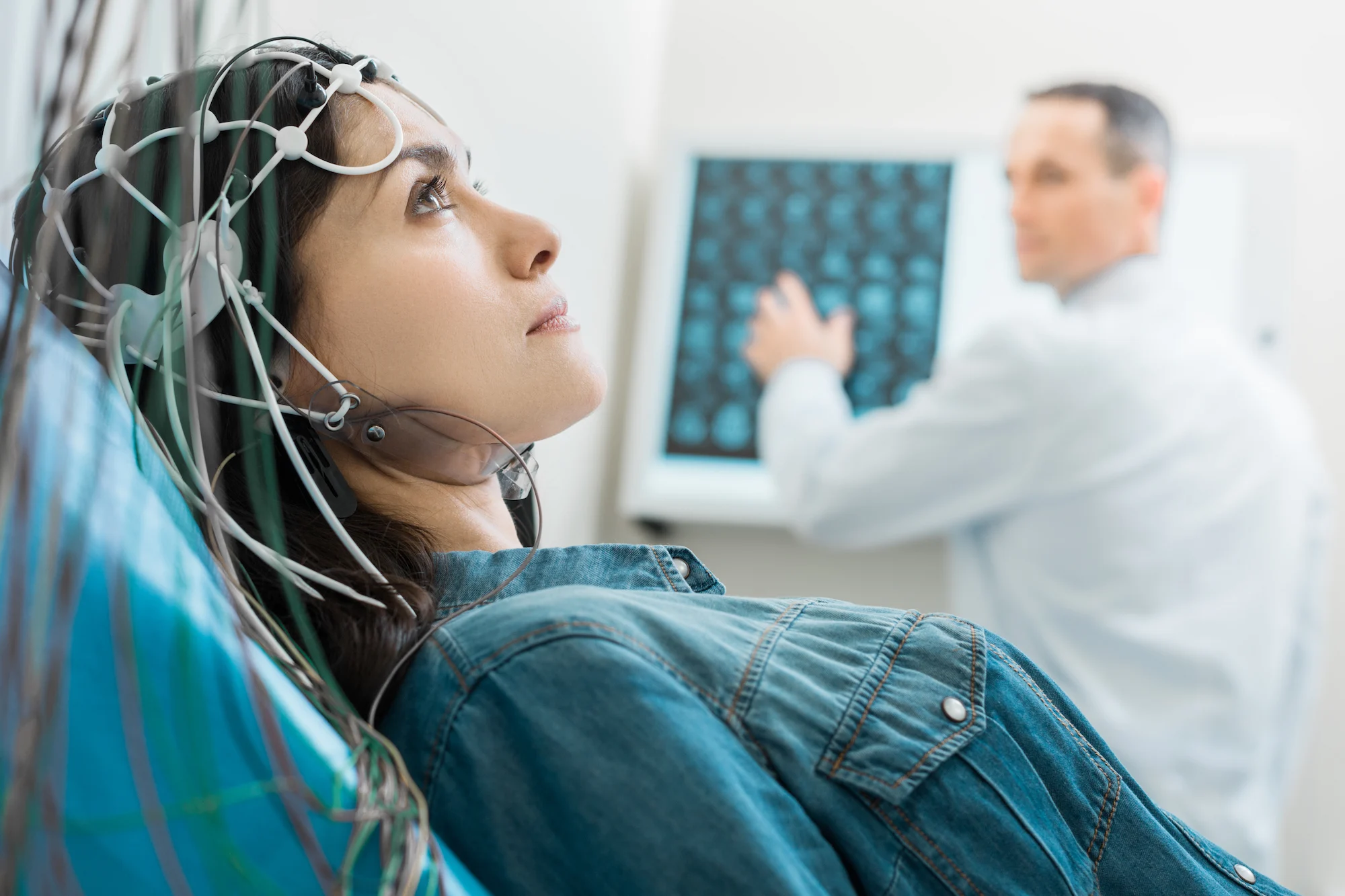
Attended sleep studies take place in specialised sleep laboratories under direct medical supervision. These comprehensive assessments monitor multiple physiological parameters throughout the night, including:
- brain activity
- eye movements
- muscle tone
- heart rhythm
- breathing patterns
- blood oxygen saturation
- body position
A trained sleep technician remains present during the entire study to ensure proper equipment function and patient safety.
2. Home Sleep Studies (Level 2)
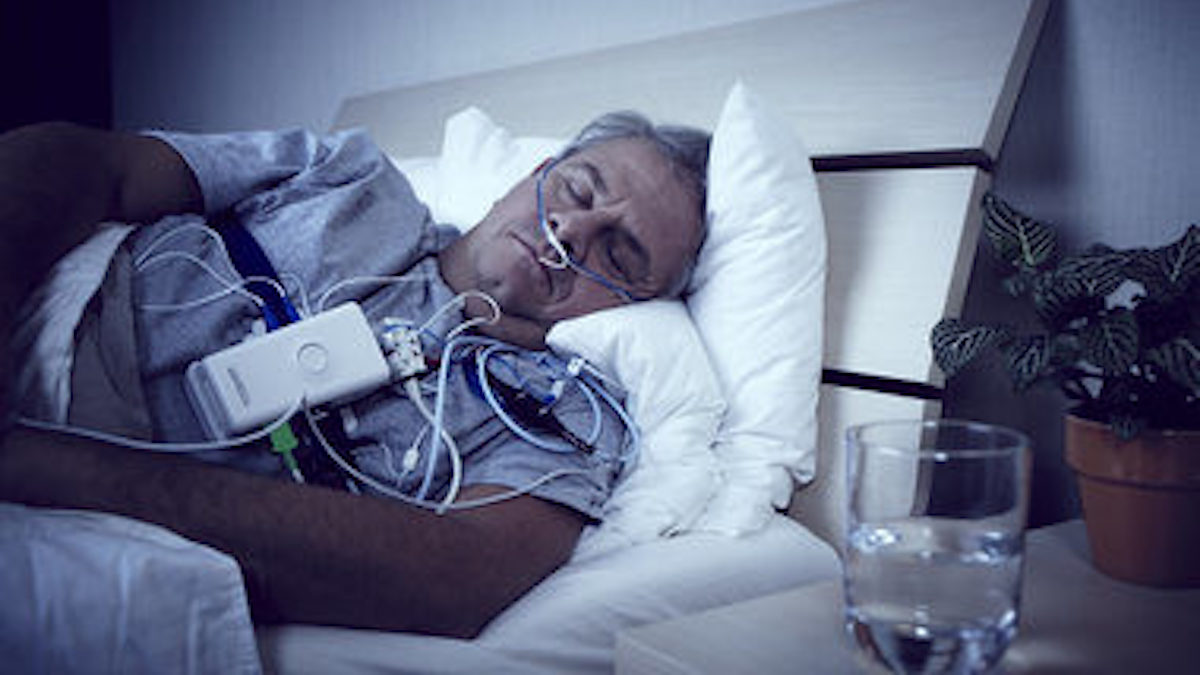
Home sleep studies provide an unattended alternative using portable diagnostic equipment. Patients receive a compact recording device that tracks essential sleep metrics in their own bedroom. A nurse typically delivers the equipment, demonstrates proper placement of sensors, and collects the device the following morning. The recorded data captures:
- breathing interruptions
- heart rate
- blood oxygen levels
- limb movements
- sleeping position
The primary differences between these approaches centre on setting and monitoring intensity:
- Location: Laboratory studies require overnight facility stays, while home studies occur in familiar surroundings
- Supervision: Lab studies include continuous technician monitoring; home studies operate independently
- Equipment complexity: Laboratory setups involve more extensive sensor arrays and real-time observation capabilities
- Diagnostic scope: Attended studies can detect a broader range of sleep disorders beyond sleep apnoea
How Much Does A Sleep Study Cost In Brisbane?
What are the typical sleep study prices in Brisbane without Medicare coverage?
Attended laboratory sleep studies (Level 1) typically range from $800 to $1,500 when paid out-of-pocket, depending on the facility and specific monitoring requirements. These sleep test fees reflect the comprehensive nature of in-lab studies, which include overnight accommodation, specialized equipment, and continuous supervision by trained sleep technicians.
How much do home sleep studies cost if not bulk-billed?
Unattended home sleep studies (Level 2) generally cost between $300 and $600 when patients pay privately. This lower price point reflects the reduced overhead costs associated with portable equipment and the absence of laboratory facilities and overnight staffing.
What factors influence the final cost of sleep testing?
Several elements affect the total expense:
- Type of study: Laboratory studies command higher fees due to facility costs and staff supervision
- Location and facility: Private sleep clinics in premium Brisbane suburbs may charge more than public hospital-affiliated centers
- Equipment complexity: Studies requiring advanced monitoring systems increase the overall fee
- Additional consultations: Pre-study assessments or follow-up appointments may incur separate charges
- Specialist involvement: Direct physician oversight during testing can add to the total cost
The specific sleep study price Brisbane patients encounter varies significantly based on whether they qualify for Medicare subsidies or bulk-billing arrangements.
What Does Medicare Cover For Sleep Studies?
Medicare provides substantial coverage for sleep studies in Brisbane when patients meet specific eligibility requirements. The Australian healthcare system recognises sleep disorders as significant medical conditions requiring proper diagnosis and treatment.
Medicare item numbers determine the level of coverage available:
- Item 12203: Covers attended (Level 1) laboratory sleep studies conducted in a sleep clinic with continuous medical supervision
- Item 12250: Applies to unattended (Level 2) home-based sleep studies using portable diagnostic equipment
Both item numbers cover the majority of costs associated with sleep testing, making diagnosis accessible for eligible patients. Many Brisbane sleep clinics offer bulk-billed sleep test services, eliminating out-of-pocket expenses entirely for qualifying individuals.
To access Medicare coverage for sleep studies, patients must:
- Obtain a valid referral from a GP or specialist
- Meet clinical screening thresholds (ESS score ≥8 and OSA50 score ≥5)
- Demonstrate symptoms consistent with suspected sleep disorders
- Comply with clinical guidelines established by the Australasian Sleep Association
The referral process ensures that sleep studies are medically necessary rather than requested for general screening purposes. Medicare’s subsidised approach focuses resources on patients showing clear indicators of conditions like obstructive sleep apnoea, insomnia, or other sleep-related breathing disorders requiring professional evaluation and treatment planning.
Who Is Eligible For A Bulk-Billed Home Sleep Study Through Medicare?
Eligibility for bulk-billed sleep study services require a valid referral from either a general practitioner or medical specialist. Without this referral, patients cannot access Medicare-covered sleep testing, regardless of their symptoms or screening scores.
The Medicare criteria for sleep tests includes specific screening thresholds that patients must meet:
- Epworth Sleepiness Scale (ESS) score of 8 or higher – This questionnaire measures daytime sleepiness across eight common situations
- OSA50 score of 5 or higher – A screening tool that assesses obstructive sleep apnoea risk based on factors like snoring, breathing pauses, and body mass index
In addition to these scores, sleep doctors also consider other factors when deciding if a patient is suitable for home testing. Patients with cognitive impairments may struggle to use portable equipment correctly, making them unsuitable candidates. Those with significant physical disabilities might need help that home studies cannot provide.
Co-existing medical conditions also affect eligibility decisions. Patients with complex heart or lung conditions often need continuous monitoring that can only be done in a lab. High levels of anxiety about the testing process or unsuitable home environments—such as shared sleeping spaces or irregular sleep schedules—may disqualify patients from home studies.
Sleep services look at all these factors together to ensure home testing will give accurate diagnostic data while keeping the patient safe and comfortable throughout the monitoring period.
When Is An Attended Laboratory Sleep Study Recommended Over A Home Study?
When to choose lab sleep study depends on specific patient circumstances that make home testing unsuitable or inadequate. Attended laboratory studies become necessary when patients have cognitive impairment, physical disabilities, or complex medical conditions that require continuous monitoring by trained technicians.
Medical supervision during attended vs unattended sleep test scenarios proves critical for patients with:
- Severe cardiovascular conditions requiring immediate intervention if complications arise
- Respiratory disorders beyond suspected obstructive sleep apnea, such as central sleep apnea or hypoventilation syndromes
- Neurological conditions including epilepsy, Parkinson’s disease, or previous stroke
- Cognitive impairments preventing proper use of home equipment
- Physical disabilities limiting the ability to attach or manage monitoring devices independently
Patient anxiety levels significantly influence the decision between lab and home studies. Some individuals experience heightened stress sleeping in unfamiliar environments, making home studies preferable. Conversely, patients who struggle with self-administered equipment or require reassurance from medical staff benefit from laboratory settings.
Home environment suitability matters when determining test location. Unstable living situations, lack of privacy, or environments with frequent disruptions compromise home study accuracy. Laboratory environments provide controlled conditions ensuring reliable data collection, particularly when initial home studies produce inconclusive results or technical failures occur.
Other Resources : Respiratory resources for health professionals
Can Private Health Insurance Help With Sleep Study Costs?
Private health insurance can cover sleep study expenses for patients who don’t meet Medicare eligibility criteria or choose to access services outside the public system. Many private health funds offer rebates for diagnostic sleep testing under hospital or extras cover, depending on the policy level.
Rebate amounts vary significantly between insurers and policy tiers. Patients with top-level hospital cover may receive substantial rebates for attended laboratory sleep studies, while mid-tier policies like Silver Plus Premium and Mid Extras Set Benefits might offer partial coverage. Some extras policies include diagnostic testing benefits that apply to home sleep studies, though coverage limits typically range from $100 to $500 per year.
Patients considering private health insurance rebates sleep study Brisbane should contact their insurer directly to confirm:
- Whether sleep studies fall under hospital or extras cover
- The specific rebate amount or percentage covered
- Annual claim limits for diagnostic testing
- Waiting periods that may apply to new policies
- Required documentation from referring doctors
Gap fees remain common even with private insurance. Sleep clinics that accept private patients often charge between $300 and $800 for home studies and $1,200 to $2,500 for attended laboratory studies. The out-of-pocket cost depends on the gap between the clinic’s fees and the insurance rebate.
Patients should request detailed quotes from sleep clinics and submit them to their insurer for pre-approval before proceeding with testing. Click here to get more about top 5 Adelaide sleep study clinics with bulk-billing options.
How Does Medicare Coverage Reduce Financial Burden For Patients?
Does Medicare make sleep studies affordable for Brisbane patients?
Yes, Medicare significantly reduces costs through bulk-billing and subsidies for eligible patients. When you meet the referral and screening criteria, home sleep studies can be completely bulk-billed, eliminating out-of-pocket expenses entirely. This financial assistance sleep study Medicare Brisbane provides ensures that cost doesn’t prevent diagnosis of potentially serious sleep disorders.
What savings can patients expect with Medicare coverage?
Medicare subsidies cover the majority of costs for both attended laboratory studies (item 12203) and unattended home studies (item 12250). Without Medicare, patients might face costs ranging from several hundred to over a thousand dollars. With proper GP or specialist referral and meeting eligibility requirements like ESS scores ≥8 and OSA50 scores ≥5, these expenses drop dramatically or disappear completely. This accessibility allows more Brisbane residents to pursue necessary sleep disorder diagnosis without financial strain, particularly when following established clinical guidelines and referral protocols.